
How Digital Rewards and Loyalty Programs Boost Customer Engagement and Business Growth
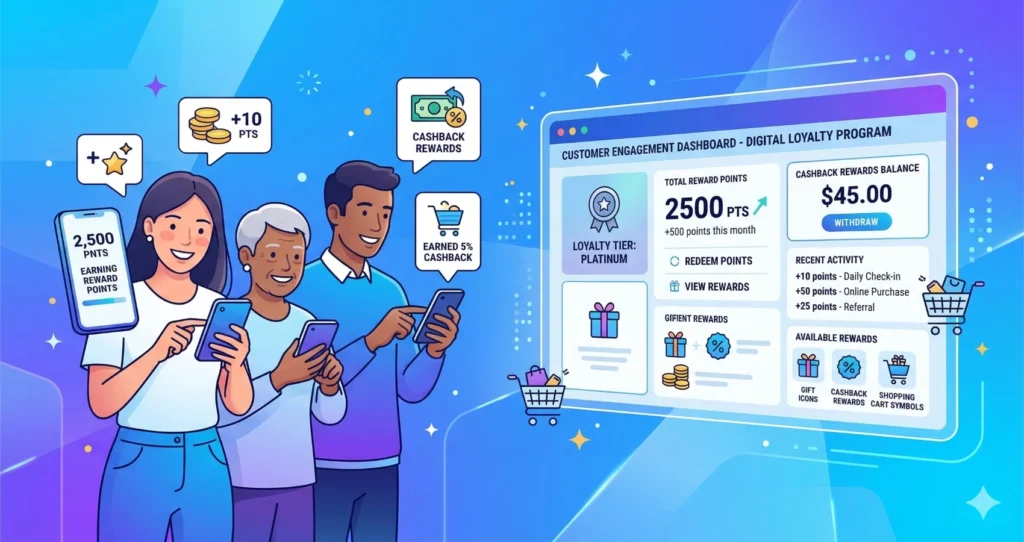
In today’s competitive digital rewards and loyalty programs, businesses are constantly searching for ways to attract new customers while keeping their existing ones engaged. Customer expectations have evolved significantly, and brands must provide personalized experiences and meaningful incentives to maintain loyalty.
One of the most effective strategies companies use today is digital rewards and loyalty programs. These programs encourage customers to interact with a brand more frequently by offering incentives such as points, gift cards, discounts, and exclusive benefits.
With the help of modern digital rewards platforms, businesses can strengthen relationships with customers, increase engagement, and drive long-term growth.
In this blog, we explore how digital reward systems work, why they are important, and how they help businesses grow faster.
What Are Digital Rewards and Loyalty Programs?
Digital rewards and loyalty programs are structured incentive systems designed to reward customers for engaging with a brand. These engagements can include actions such as making purchases, referring friends, completing tasks, or interacting with marketing campaigns.
Unlike traditional loyalty programs that rely on physical cards or coupons, digital rewards systems operate through online platforms, mobile applications, or integrated software solutions.
These platforms allow businesses to:
Track customer activities
Reward loyal customers
Personalize incentives
Increase engagement through gamification
Modern reward platforms simplify this entire process by automating reward distribution and providing real-time analytics for businesses.
Why Customer Engagement Matters for Businesses
Customer engagement plays a crucial role in long-term business success. Engaged customers are more likely to purchase repeatedly, recommend the brand to others, and develop strong emotional connections with the company.
Studies show that acquiring a new customer is significantly more expensive than retaining an existing one. This is why businesses invest heavily in customer retention strategies, including loyalty programs and digital rewards.
A well-designed reward system helps businesses:
Increase repeat purchases
Strengthen brand loyalty
Improve customer satisfaction
Generate valuable customer insights
By rewarding customer interactions, businesses create a positive feedback loop that encourages continued engagement.
Benefits of Digital Rewards Platforms
1. Improved Customer Retention
Digital rewards programs motivate customers to stay connected with a brand. When customers receive incentives for their actions, they are more likely to return and continue interacting with the business.
This increases customer lifetime value and helps companies maintain consistent revenue streams.
2. Increased Customer Engagement
Reward systems encourage customers to actively participate in brand activities such as referrals, surveys, purchases, and promotions.
Gamification features such as points, leaderboards, and badges make the experience more interactive and enjoyable for users.
3. Personalized Customer Experiences
Modern digital reward platforms allow businesses to analyze customer behavior and create personalized incentives.
For example:
Special offers for loyal customers
Birthday rewards
Purchase-based discounts
These personalized rewards improve the overall customer experience and increase brand loyalty.
4. Data-Driven Marketing Insights
Digital loyalty platforms collect valuable data about customer behavior, purchase patterns, and engagement activities.
Businesses can use this data to:
Improve marketing strategies
Optimize promotions
Identify high-value customers
Create targeted campaigns
This data-driven approach leads to better decision-making and improved marketing performance.
5. Increased Word-of-Mouth Marketing
Many reward programs include referral incentives where customers earn rewards for inviting friends or family members.
This turns existing customers into brand advocates and helps businesses grow organically through word-of-mouth marketing.
Referral programs are particularly effective because customers trust recommendations from people they know.
How Digital Reward Systems Work
A digital rewards platform typically follows a simple process:
Step 1: Customer Engagement
Customers interact with a brand by completing actions such as making purchases, signing up, referring friends, or participating in campaigns.
Step 2: Points or Rewards Allocation
The platform automatically assigns points or rewards based on predefined rules set by the business.
Step 3: Reward Redemption
Customers can redeem their points for gift cards, discounts, vouchers, or exclusive benefits.
Step 4: Performance Tracking
Businesses monitor customer engagement and campaign performance through analytics dashboards.
This automated workflow makes digital reward systems highly efficient and scalable.
Digital Rewards in Modern Business Strategies
Today, digital rewards are used across multiple industries including:
eCommerce platforms
fintech companies
gaming platforms
telecom services
employee engagement programs
Companies are increasingly adopting reward systems to motivate both customers and employees.
These platforms also support various incentive types such as:
cashback rewards
gift cards
digital vouchers
prepaid cards
promotional coupons
The flexibility of digital rewards makes them suitable for businesses of all sizes.
Role of Technology in Digital Rewards Platforms
Modern reward platforms rely on advanced technology to deliver seamless experiences.
Key technologies used include:
cloud infrastructure
API integrations
automation systems
data analytics tools
AI-driven personalization
These technologies enable businesses to manage large reward campaigns efficiently while providing smooth user experiences.
Technology companies play a vital role in developing the software systems that power these reward platforms.
The Future of Digital Loyalty Programs
The future of loyalty programs is becoming increasingly personalized, automated, and data-driven.
Some emerging trends include:
AI-powered reward recommendations
blockchain-based loyalty points
gamified customer experiences
mobile-first reward platforms
integrated omnichannel loyalty programs
Businesses that adopt these advanced reward systems will be better positioned to build strong relationships with customers and stay ahead of competitors.
Conclusion
Digital rewards and loyalty programs have become powerful tools for businesses looking to improve customer engagement and drive long-term growth.
By rewarding customers for their interactions, businesses can strengthen relationships, increase retention, and create memorable brand experiences.
Modern digital reward platforms make it easier than ever for companies to implement scalable incentive systems while gaining valuable insights into customer behavior.
As technology continues to evolve, digital loyalty programs will play an even greater role in shaping customer engagement strategies for businesses worldwide.